© 2023 Schmidt Ocean Institute (CC BY-NC-SA 4.0)
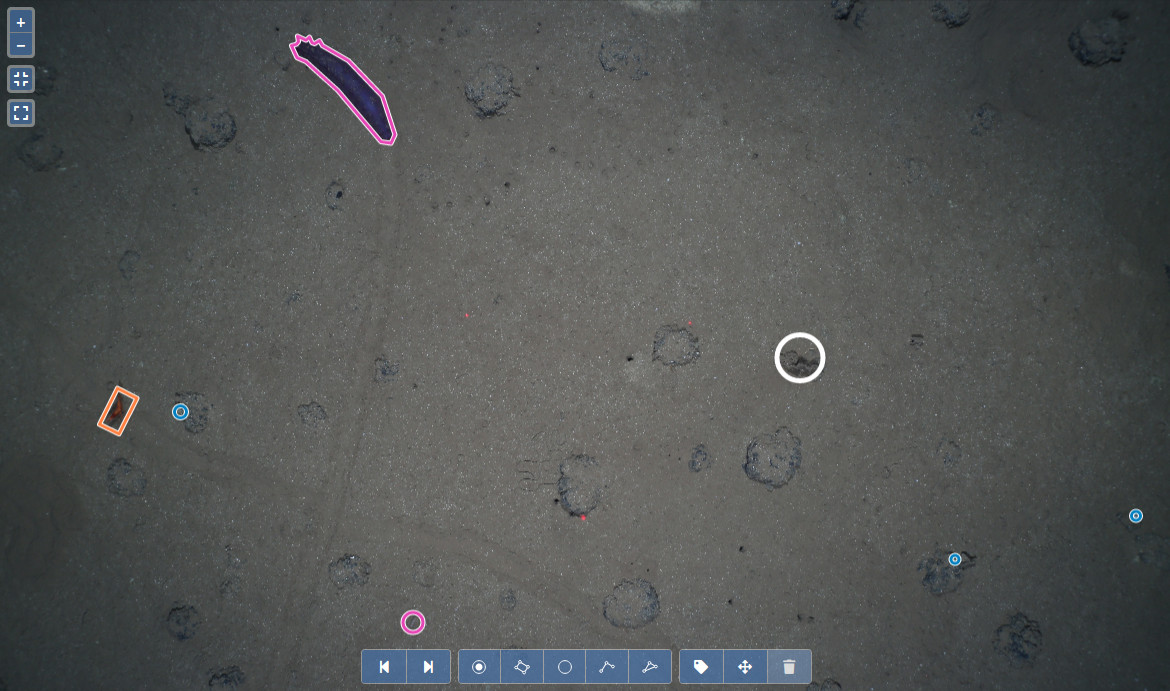
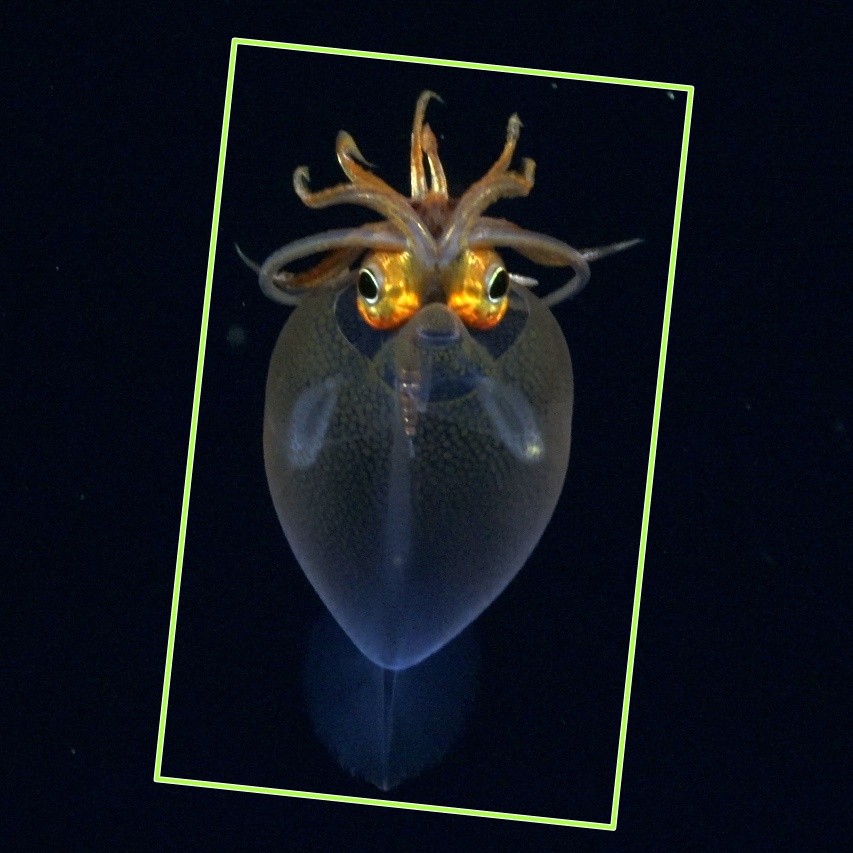
Annotate large image and video collections with an efficient workflow. The annotation tools provide everything you need to perform a multitude of annotation tasks. Battle-tested by scientists all over the globe!
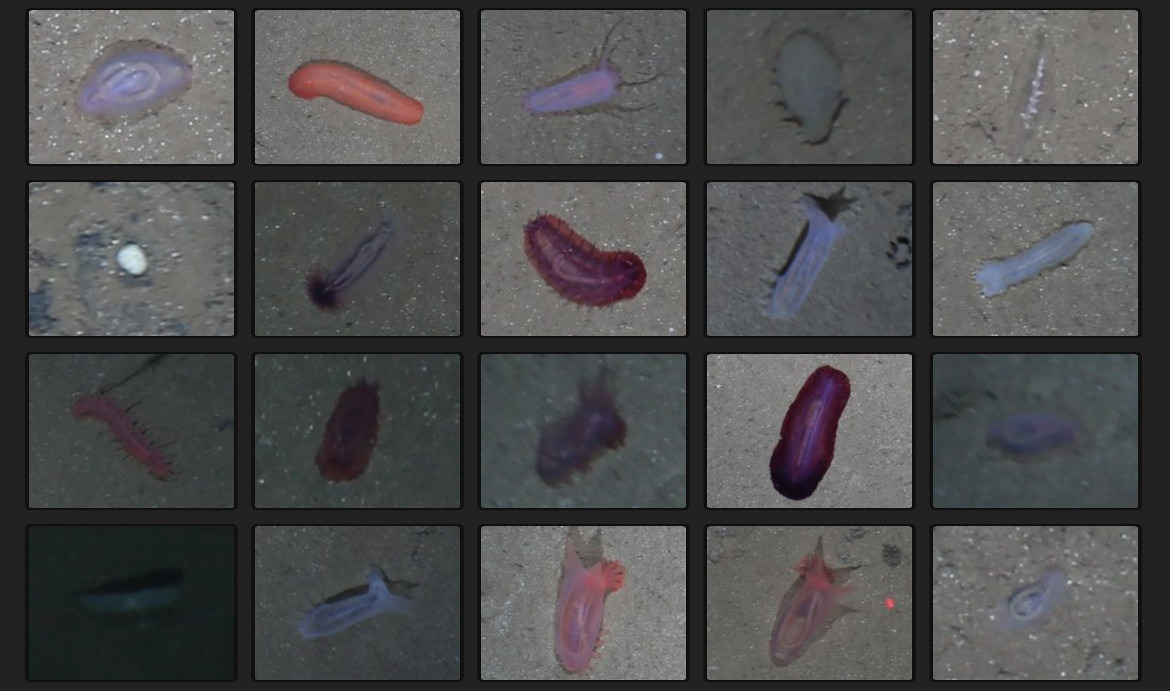
Rapidly review and explore thousands of your annotations for quality control or training. The label review grid overview (Largo) is designed to make the most of human visual perception.
Accelerate image annotation with computer vision. Use MAIA, Magic SAM or intelligent sorting to tackle the ever growing volume of unannotated images.
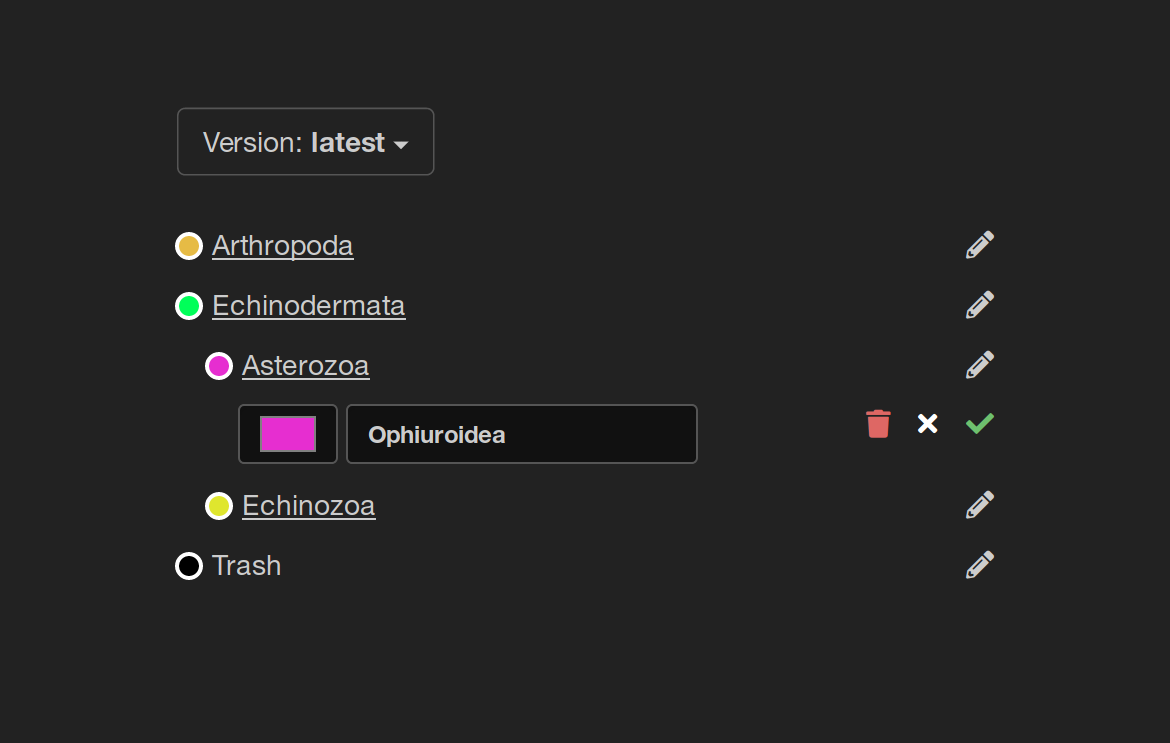
Invite your colleagues to your annotation projects and create labels in your own hierarchical classification schemes. Labels can be edited, versioned and shared.
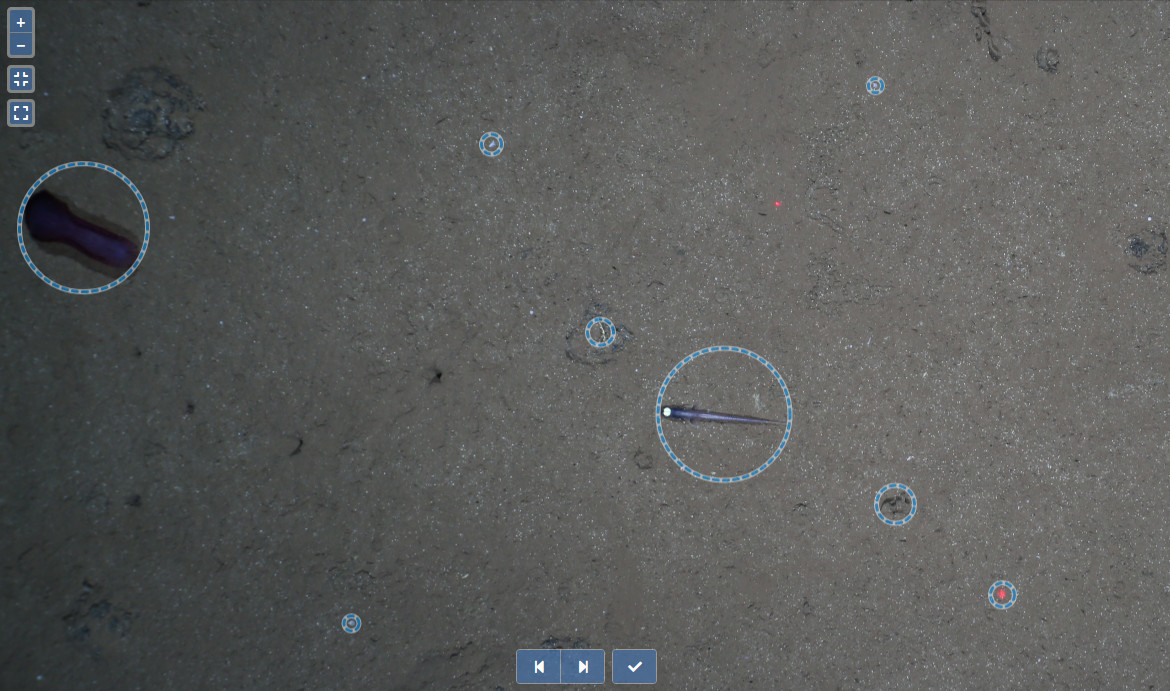
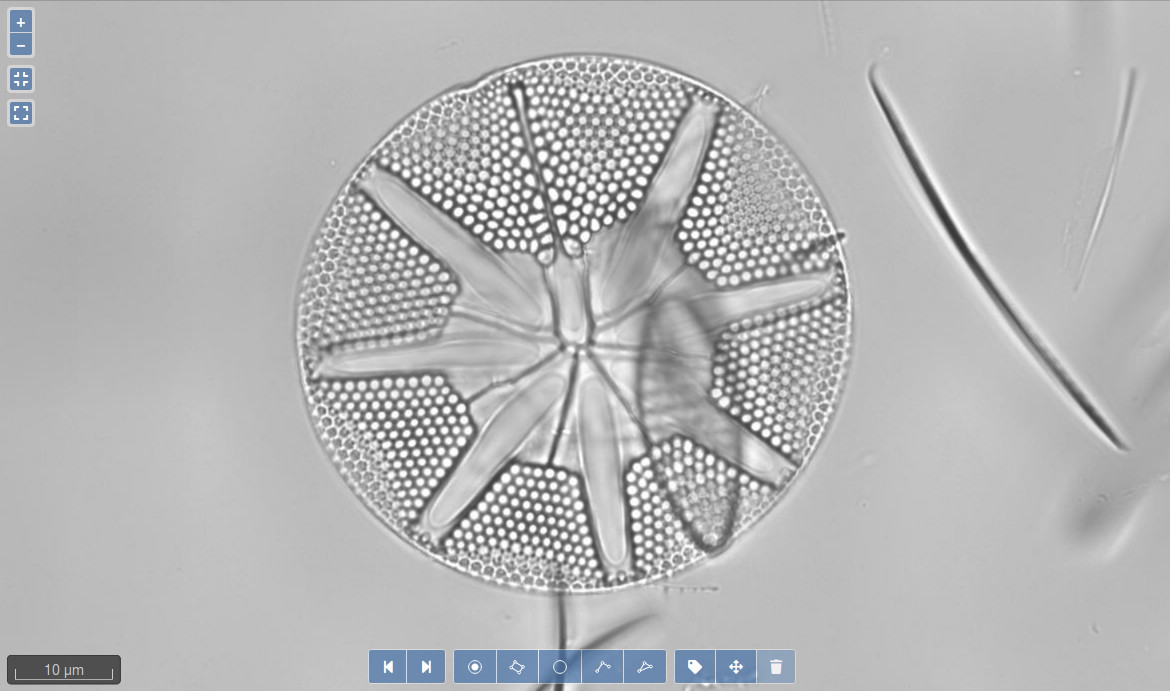
Explore large gigapixel mosaics from microscopy images to ortophotos right in your browser. The annotation tool works seamlessly and fast with even the largest images.
Interested?
It's free! The BIIGLE source code is free and open source under the GPL-3.0 license. The public BIIGLE instance at biigle.de can be used free or charge thanks to the de.NBI Cloud. You can also self-host your own BIIGLE instance. Please cite our paper if you use BIIGLE for research.
Getting started is easy: Sign up for an account, create your first project, upload your images or videos, and start annotating. Check out our comprehensive manual for step-by-step tutorials and best practices.
BIIGLE supports points, rectangles, circles, lines and polygons. For videos, you can also create whole-frame annotations and timeline-based annotations that track objects across frames.
Yes! BIIGLE includes AI-assisted annotation features. For example, MAIA helps you find and annotate objects of interest, while Magic SAM uses the Segment Anything Model for rapid object segmentation. These tools can dramatically accelerate the annotation process. You can also run an offline machine learning workflow and upload the results to BIIGLE for inspection and quality control.
Absolutely! BIIGLE projects enable seamless team collaboration. You can create annotation sessions for comparative studies, share and version label trees with other users, and import species labels from the World Register of Marine Species. Multiple users can work on the same project with different permission levels.
Yes! BIIGLE provides a comprehensive API for programmatic access to your data and annotations, making it suitable for integration with analysis pipelines and custom workflows. Check the documentation for API endpoints and usage examples.
Interested in running a BIIGLE instance in the field or in your institution?